I still remember the day my doctor told me I would likely not get pregnant without medical intervention.
Those were words I never expected to hear—and they were devastating.
The options presented to me felt overwhelming. Surgery to remove a benign tumor on my pituitary gland, or chemically induced menopause followed by fertility drugs. At 27, neither path felt right for me.
So, I chose a different approach.
I chose to step back, to support my body, and to pray and give it some time.
A few months later, I was staring at a positive pregnancy test.

That experience shaped the way I view fertility today.
I also know my story is not everyone’s story. Many women face far more complex and difficult journeys, and for some, medical intervention is both necessary and life changing. There is no one-size-fits-all path.
But what I’ve come to understand is this: fertility is rarely just about one organ or one hormone. It is a reflection of how the entire body is functioning—how well it feels nourished, supported, and safe.
In this blog series, we’re going to explore fertility from that perspective.
We’ll look at how hormones, stress, digestion, blood sugar, and overall health all work together to influence the body’s ability to conceive. My hope is that this information helps you better understand your body—and perhaps uncover areas where gentle support could make a meaningful difference.
If you’re on this journey, you’re not alone. And there may be more within your control than you’ve been led to believe.
Fertility Challenges Today
Fertility challenges are more common than many people realize. In the United States, nearly 1 in 5 women experience difficulty conceiving after one year of trying¹, and many more face challenges with maintaining a healthy pregnancy².
At the same time, the financial burden of fertility treatment continues to rise. A single cycle of in vitro fertilization (IVF) can cost between $15,000 and $25,000, and many couples require multiple cycles³.

Altogether, the U.S. fertility industry represents a multi-billion dollar market, reflecting both the demand for solutions and the growing number of families seeking answers⁴.
These realities point to something deeper than timing or chance alone. If fertility challenges are increasing—and solutions are becoming more complex and costly—it raises an important question:
What is the body trying to communicate?
Rather than viewing fertility as an isolated issue, many practitioners are beginning to recognize it as a reflection of overall health. The ability to conceive and sustain a pregnancy depends on far more than reproductive organs alone—it relies on how well the entire body is functioning together.
This shift in perspective moves the conversation away from simply “trying harder” or relying solely on intervention, and toward understanding what may be happening beneath the surface.
What Fertility Really Reflects
Fertility is often thought of as something that either works or doesn’t—but in reality, it is one of the clearest reflections of overall health. The body does not treat reproduction as a priority unless key systems are functioning well. Instead, it constantly evaluates whether conditions are stable, nourished, and safe enough to support new life¹.
Because of this, fertility is not controlled by a single hormone or organ. It is the result of communication between the brain, endocrine system, digestive system, and nervous system. When these systems are supported, the body becomes more receptive to conception. When they are stressed or depleted, fertility is often one of the first areas affected.
This is why many women experience subtle signs long before fertility becomes a concern—changes in cycle length, PMS symptoms, fatigue, or irregular ovulation. These are not random. They are early indicators of how the body is functioning as a whole.
Why the Body Needs to Feel “Safe” to Conceive
From a biological standpoint, pregnancy requires significant energy, nutrients, and stability. If the body perceives stress—whether from emotional strain, blood sugar instability, inflammation, or lack of nourishment—it may downregulate reproductive function².
This response is not a failure of the body. It is a protective mechanism designed to preserve resources when conditions are uncertain. The body is constantly asking: Is this a safe environment to sustain a pregnancy?
When the answer is unclear, ovulation may become irregular, hormone signaling may shift, and cycles may change. Supporting fertility, therefore, often begins with reducing internal stress signals and increasing overall resilience.
Hormones and Ovulation
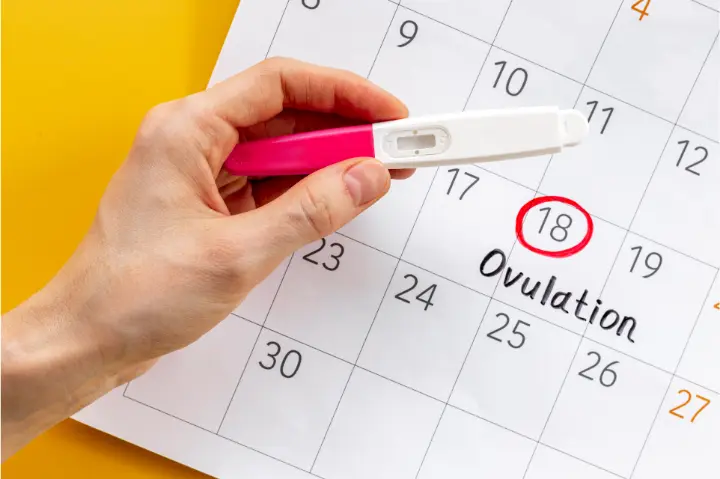
Ovulation is the central event of fertility, but it is not guaranteed. It requires a coordinated rise and fall of hormones, particularly estrogen and progesterone³.
Estrogen helps build the uterine lining and prepares the body for ovulation, while progesterone supports the second half of the cycle and helps maintain a potential pregnancy. If ovulation does not occur, progesterone levels remain low, even if cycles appear regular.
This is why tracking ovulation—not just cycle length—is one of the most important indicators of fertility health.
Blood Sugar and Metabolic Health

Blood sugar regulation plays a significant role in hormone balance. When blood sugar rises and falls rapidly, the body produces more insulin to compensate. Elevated insulin levels can interfere with ovulation and contribute to hormonal imbalance⁴.
Over time, this can lead to irregular cycles, increased inflammation, and conditions such as insulin resistance. These patterns are often subtle at first but can have a meaningful impact on fertility.
Supporting stable blood sugar through balanced meals, adequate protein, fiber, and healthy fats helps create a more stable hormonal environment.
Stress and the Nervous System
The body does not prioritize reproduction when it is in a constant state of stress. Elevated cortisol levels can suppress reproductive hormones and disrupt communication between the brain and ovaries⁵.
This is why many women notice cycle disruptions during periods of high stress, emotional strain, or poor sleep. The nervous system plays a direct role in signaling whether the body is in a state of safety or survival.
Simple, consistent practices that support the nervous system—such as rest, rhythmic activities, and reducing overstimulation—can help restore balance over time.
Gut Health and Inflammation
The gut plays a critical role in fertility through its influence on inflammation, nutrient absorption, and hormone metabolism. The gut microbiome helps regulate how estrogen is processed and recycled in the body⁶.
When the gut is imbalanced, this process can be disrupted, leading to hormone fluctuations and increased inflammation. Over time, this can contribute to cycle irregularities and other fertility challenges.
Supporting gut health through whole foods, proper digestion, and beneficial bacteria helps create a more stable internal environment.
Nutrient Status and Nourishment

Fertility is an energy-intensive process. The body requires adequate protein, healthy fats, and key vitamins and minerals to support hormone production and ovulation.
Undereating, chronic dieting, or nutrient deficiencies can signal to the body that resources are limited. In response, reproductive function may be reduced or paused altogether.
True nourishment supports not only fertility but also overall resilience, energy, and long-term health.
A Gentle Approach to Preparing the Body
Preparing for conception does not require extreme protocols. In fact, overly aggressive detoxes or restrictive approaches can create additional stress on the body and disrupt the very systems they are meant to support.
A more effective approach is often simple and consistent—supporting liver function, improving digestion, stabilizing blood sugar, and prioritizing sleep and recovery.
These foundational habits create an environment where the body can function more efficiently and support reproductive health naturally.
Where Herbal Support May Fit In
For some women, additional support can be helpful while working to restore balance. Traditional herbal formulas have long been used to support hormone balance, nervous system regulation, and overall vitality.
Formulas designed to support reproductive health—such as those that nourish the endocrine system or promote cycle balance—may complement lifestyle changes without forcing the body.
For example, thoughtfully crafted blends that include herbs like Chaste Tree berry, Dong Quai root, Wild Yam root, and Eleuthero root have traditionally been used to support hormone communication, help the body respond to stress more effectively, and encourage a more balanced cycle. Our Fruitful Vine formula was designed with this philosophy in mind—offering gentle, non-invasive support for women who are preparing their bodies for conception.
Because stress and hormonal imbalance often go hand in hand, supporting both at the same time can be an important piece of the fertility picture. Rather than pushing the body, the goal is to create an internal environment where balance can be restored naturally over time.
If you’re looking to take a deeper, more guided approach, our Conceiving Naturally book walks through many of these concepts in greater detail—helping you understand how to support your body step by step as you prepare for pregnancy.
The goal is not to override the body’s signals, but to support its natural processes in a more sustainable way.
Fertility Explained: Answers to Common Questions
Why is fertility considered a reflection of overall health?
Fertility depends on multiple body systems working together—including hormones, digestion, metabolism, and the nervous system. When these systems are balanced and well-supported, the body is more likely to ovulate regularly and sustain a healthy cycle. When they are under stress or depleted, fertility is often one of the first areas affected.
Can stress really impact ovulation and fertility?
Yes.
Chronic stress increases cortisol levels, which can interfere with reproductive
hormone signaling between the brain and ovaries. Over time, this can disrupt
ovulation, alter cycle length, and make conception more difficult. Supporting
the nervous system is often a key part of restoring fertility balance.
How does blood sugar affect fertility?
Blood sugar imbalances can lead to elevated insulin levels, which may interfere with ovulation and hormone regulation. Stable blood sugar—supported by balanced meals with protein, fiber, and healthy fats—helps create a more consistent hormonal environment for reproductive health.
Why is ovulation more important than cycle length?
A regular cycle does not always guarantee ovulation. Ovulation is the key event required for conception, as it triggers progesterone production and prepares the body for pregnancy. Tracking ovulation provides a more accurate picture of fertility than cycle length alone.
What role does gut health play in fertility?
The gut helps regulate inflammation, nutrient absorption, and hormone metabolism—particularly estrogen. An imbalanced gut microbiome can disrupt these processes, leading to hormone fluctuations and cycle irregularities. Supporting gut health can improve overall hormonal balance.
Do you need a "strict" detox to improve fertility?
Not typically. In fact, aggressive detoxes or restrictive protocols can increase stress on the body and disrupt hormonal balance. A more effective approach is consistent, foundational support—focusing on nourishment, digestion, blood sugar stability, and rest to create a safe, balanced environment for conception.
Final Thoughts
Fertility is not separate from overall health—it is an expression of it. When the body is supported, nourished, and balanced, it often becomes more capable of doing what it was designed to do.
Rather than focusing only on outcomes, supporting the systems behind fertility creates a more sustainable and empowering path forward.
Explore More in This Fertility Series
If you’re looking to better understand your body and support your fertility naturally, these deeper dives can help you explore each piece of the puzzle.
- Understanding Fertility - How Your Body Prepares for Conception
- How Stress Affects Fertility – and what you can do to support your nervous system
- Blood Sugar and Fertility – the hormone connection most people overlook
- Gut Health and Fertility – why digestion plays a bigger role than you think
- Ovulation Health – what healthy ovulation actually looks like
- The Luteal Phase Explained – why it matters for implantation
- Ovulating but Not Getting Pregnant – what your body may be trying to tell you
- Egg Quality and Fertility – how to support it naturally
- Hidden Inflammation and Fertility – the silent factor behind many challenges
- Sleep and Fertility – how rest impacts hormone balance
- Cycle Tracking for Fertility – understanding your body’s signals
- When to Look Deeper – signs it may be time for additional support
- Low Progesterone: Signs, Causes & Natural Support for Hormone Balance
- Male Fertility – the missing piece many couples overlook
References
1. Chavarro JE et al. Diet and lifestyle in the prevention of ovulatory disorder infertility. Obstet Gynecol. 2007.
2. Nepomnaschy PA et al. Stress and female reproductive function. Ann N Y Acad Sci. 2007.
3. Prior JC. Progesterone and ovulation. Climacteric. 2018.
4. Diamanti-Kandarakis E et al. Insulin resistance in PCOS. Endocr Rev. 2012.
5. Berga SL. Stress and reproductive function. Endocrinol Metab Clin North Am. 2008.
6. Baker JM et al. Estrogen-gut microbiome axis. Trends Endocrinol Metab. 2017.
7. CDC. Infertility statistics.
8. CDC National Survey of Family Growth.
9. ASRM. IVF cost estimates.
10. Grand View Research. Fertility services market size.
Disclaimer:
The information provided in this blog is for educational purposes only and is not intended to diagnose, treat, cure, or prevent any disease. The signs and symptoms discussed are not specific to any one condition or approach and may vary from person to person. Individuals may benefit from seeking guidance from a qualified healthcare professional before making changes to their wellness routine.