The Fourth Trimester: One of the Most Extraordinary Transitions the Human Body Ever Experiences
Pregnancy transforms a woman's body over the course of forty weeks. Then, in a matter of hours, childbirth begins another transformation just as remarkable. The placenta is delivered and hormones that steadily increased throughout pregnancy suddenly fall. The uterus begins returning to its pre-pregnancy size. Blood volume shifts. The immune system adjusts. The breasts may begin producing milk. At the same time, the body is healing from labor or major abdominal surgery while functioning on fragmented sleep and meeting the constant demands of a newborn.
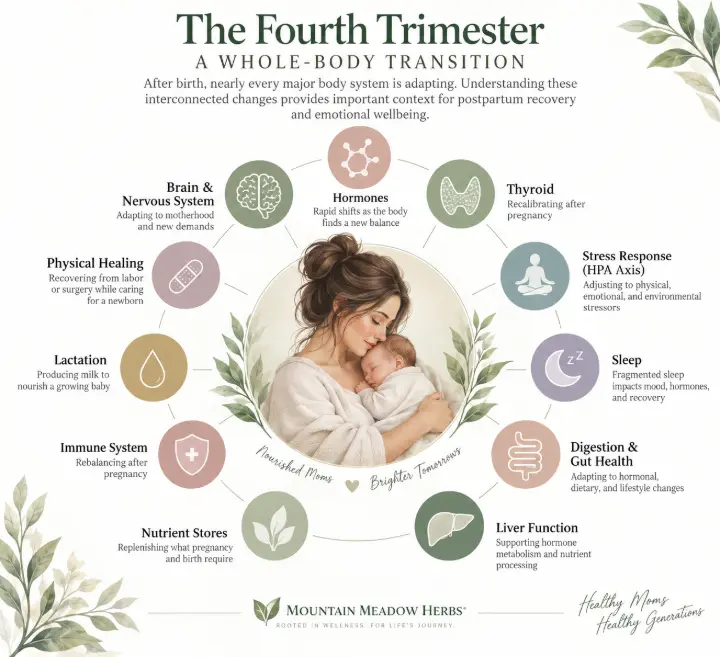
This season of recovery—often called the fourth trimester—is not simply the end of pregnancy. It is a major physiological transition of its own. Hormones, the nervous system, metabolism, thyroid function, digestion, circulation, sleep, nutrient stores, emotional health, and sometimes lactation are all adapting at once.
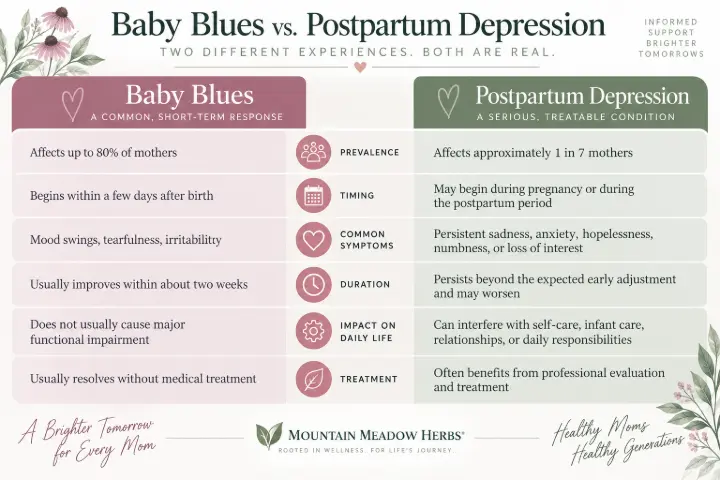
It is therefore unsurprising that many women feel exhausted, emotionally sensitive, or overwhelmed after birth. For most mothers, temporary mood swings and tearfulness—commonly called the “baby blues”—gradually improve within about two weeks.¹ For others, however, sadness, anxiety, numbness, guilt, or difficulty functioning persist or deepen.
This is postpartum depression (PPD), a common and treatable medical condition affecting approximately one in seven mothers.² It is not a measure of how much a mother loves her baby or how capable she is as a parent. Rather, postpartum depression develops through a complex interaction of biological, psychological, and social factors during an exceptionally demanding period of recovery.
At Mountain Meadow Herbs, we believe symptoms are often signals—not isolated problems. During the postpartum period, that perspective means considering the physical systems supporting emotional wellbeing while recognizing that PPD requires appropriate professional care.
In this guide, we will look at the signs of postpartum depression, how it differs from normal postpartum adjustment, factors that may contribute to it, and practical ways to support recovery. Professional care remains the foundation of treatment, while nutrition, rest, social support, stress management, and appropriate wellness support can help the body recover.
What Is Postpartum Depression?
Emotional changes after childbirth exist on a spectrum. Nearly every new mother experiences some combination of physical exhaustion, emotional sensitivity, uncertainty, and adjustment as her body recovers and her daily life changes. Knowing when those expected challenges have become something more is an important first step toward getting appropriate support.
Postpartum depression is a perinatal mood disorder that can develop during pregnancy or after childbirth. Although symptoms often appear within the first several weeks after delivery, they may begin later in the postpartum period.³ Unlike temporary mood changes, PPD can significantly affect how a mother thinks, feels, and functions. Routine tasks may feel overwhelming. Activities that once brought pleasure may no longer feel enjoyable, and bonding with the baby may feel unexpectedly difficult.
PPD does not have one universal cause or presentation. Some women experience profound sadness; others primarily experience anxiety, irritability, emotional numbness, or intrusive thoughts. Symptoms may build gradually or seem to appear suddenly. Understanding that variation helps remove the expectation that postpartum depression must look a certain way before someone deserves help.
Baby Blues vs. Postpartum Depression
The baby blues affect an estimated 70–80% of mothers during the first days after childbirth.¹ Rapid hormonal shifts, physical discomfort, interrupted sleep, breastfeeding challenges, changing family dynamics, and the emotional weight of caring for a newborn can all contribute to tearfulness, mood swings, irritability, and feeling overwhelmed.
Although these feelings can be intense, they are generally temporary. Baby blues typically begin within a few days after delivery and improve within about two weeks.¹ Postpartum depression is different: symptoms persist, become more severe, or interfere with daily functioning. A mother may feel emotionally “stuck,” lose interest in things she normally enjoys, struggle to care for herself, or feel disconnected from herself or her baby.
The distinction matters because postpartum depression is a medical condition that often benefits from professional evaluation and treatment. Asking for help is not evidence of inadequate parenting; it is an appropriate response to symptoms that deserve care.
Why Postpartum Depression Happens: A Whole-Body Perspective
If postpartum depression had one cause, prevention and treatment would be much simpler. Instead, research points to an interaction among biology, psychology, genetics, life circumstances, and the extraordinary demands of pregnancy and postpartum recovery.³ A difficult birth may be important for one woman; prolonged sleep deprivation or limited support may weigh more heavily for another. A personal or family history of mood disorders increases vulnerability for some, while others develop PPD without a previous mental health diagnosis.
A whole-body view recognizes that the brain does not operate separately from the systems regulating energy, stress, sleep, metabolism, and inflammation. Considering those connections can give mothers and healthcare providers a fuller picture of postpartum recovery.
During the Fourth Trimester… Your Hormones Are Recalibrating
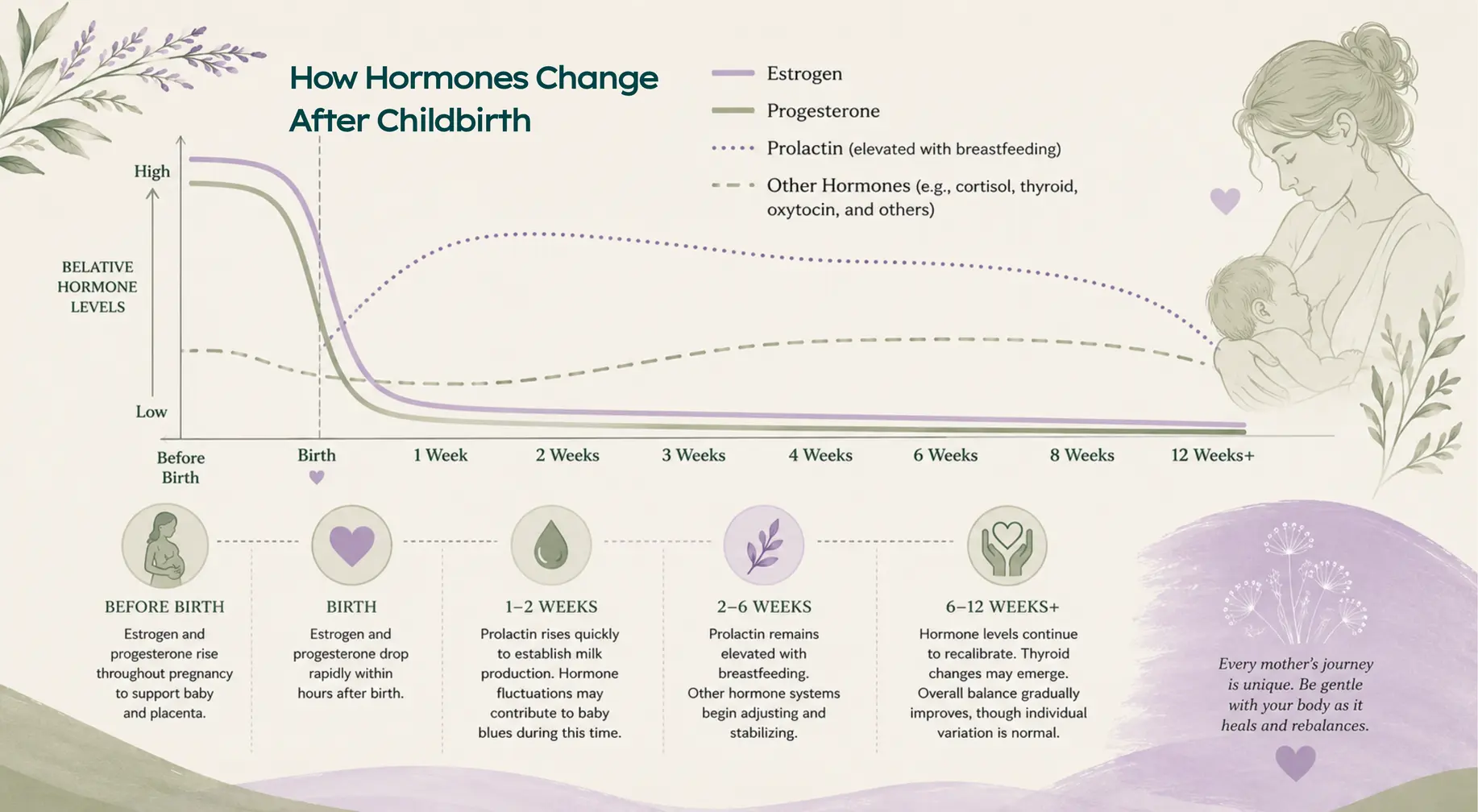
Throughout pregnancy, estrogen and progesterone rise dramatically. After the placenta is delivered, those levels fall rapidly.⁴ This is one of the most significant endocrine transitions a woman experiences. Estrogen and progesterone interact with neurotransmitter systems involved in mood, motivation, sleep, and stress regulation, so the brain must adapt as the hormonal environment changes.
For most women, this recalibration occurs without a major mood disorder. For others, hormonal sensitivity may combine with sleep disruption, stress, prior depression or anxiety, birth complications, or limited support to increase vulnerability.
During the Fourth Trimester....... Your Brain Is Adapting to Motherhood
Pregnancy and early motherhood also involve measurable neurological remodeling. Research suggests that brain regions involved in emotional processing, learning, memory, social connection, and responsiveness to an infant change across pregnancy and the postpartum period.⁵ These adaptations help mothers recognize and respond to their baby's needs.
That heightened responsiveness can also feel like constant vigilance: listening for every cry, checking the baby's breathing, tracking feedings, waking at small sounds, and mentally planning around the infant's needs. When that “always on” state is combined with interrupted sleep and ongoing stress, mental and emotional exhaustion can accumulate quickly. Feeling different after childbirth is not unusual; the maternal brain is adapting to a new and demanding caregiving role.
During the Fourth Trimester....... Your Stress Response Is Working Overtime
The hypothalamic-pituitary-adrenal (HPA) axis helps coordinate the body's response to physical and emotional stress. It influences cortisol, energy availability, blood sugar regulation, immune activity, and other processes that help us respond to challenges.
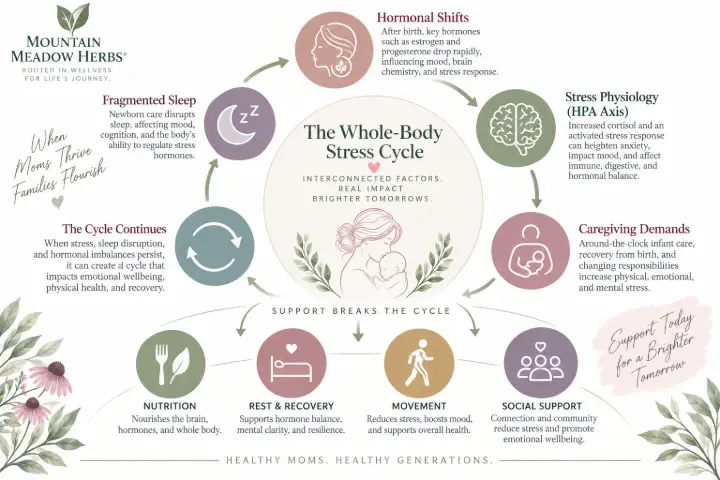
Life with a newborn supplies those challenges around the clock: physical healing, feeding schedules, nighttime waking, changing routines, household responsibilities, and the psychological adjustment to caring for another human being. When recovery time is limited, everyday stressors may begin to feel harder to manage. This does not mean stress alone causes PPD, but healthy stress regulation is an important part of whole-person postpartum care.
Nourishing meals, practical help, gentle movement as recovery allows, and rest all support healthy stress regulation. Mom's Adrenal Aid was formulated to support balanced energy and healthy stress resilience during pregnancy, nursing, and postpartum recovery; it is not intended to treat postpartum depression.
During the Fourth Trimester...... Sleep Changes Everything
Restorative sleep is one of the body's most powerful recovery tools—and one of the hardest things to obtain with a newborn. Infant care often means sleeping in short segments rather than completing uninterrupted sleep cycles. Even when the total number of hours looks reasonable, repeated waking can reduce the deeper sleep needed for physical recovery, memory, emotional processing, and healthy hormone regulation.
Over time, fragmented sleep can affect concentration, appetite regulation, stress physiology, immune function, and emotional resilience. A partner taking an early feeding, a family member holding the baby while mom naps, or a friend bringing dinner may seem like small interventions, but they reduce the demands on a recovering body.
When appropriate, supportive wellness products may complement healthy sleep and stress-management practices. Mommy Blues Buster is intended to support emotional wellness and healthy responses to everyday stress, not to replace evaluation or treatment for postpartum depression.
Your Body Is Rebuilding From the Inside Out
Birth is not the finish line for the mother's body. Tissues continue healing, blood volume normalizes, the uterus involutes, hormones recalibrate, and lactation may become a major metabolic priority. Postpartum recovery is less about “bouncing back” than rebuilding. That rebuilding requires energy, nutrients, rest, and time.
Nutritional Demands Remain High
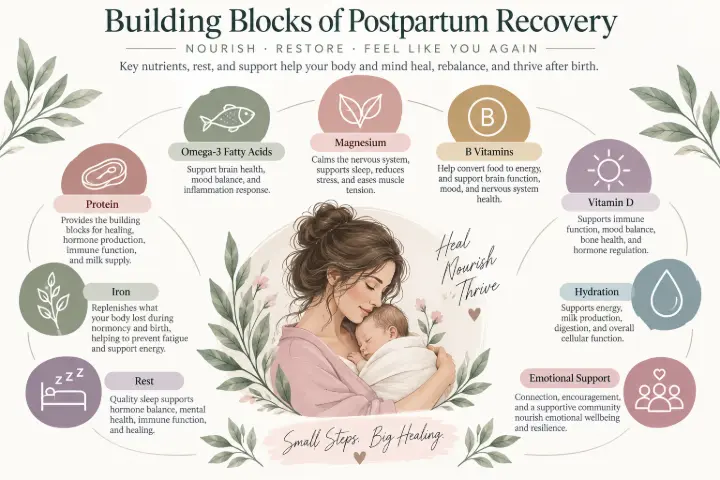
Childbirth can draw heavily on nutritional reserves. Blood loss may reduce iron stores, tissue repair requires protein and micronutrients, and breastfeeding continues to place substantial nutritional demands on the mother. Adequate nourishment therefore remains important well beyond pregnancy.
Iron supports oxygen transport and brain function. Vitamin B12 and folate contribute to healthy nerve function and neurotransmitter pathways. Magnesium participates in hundreds of enzymatic reactions related to energy and nervous-system function. Omega-3 fatty acids, including DHA, are important for maternal and infant neurological health. Protein supplies amino acids needed for tissue repair and many signaling molecules.
No nutrient independently explains or cures postpartum depression, but inadequate intake or deficiencies can contribute to fatigue and other symptoms that complicate recovery. Balanced meals, protein, hydration, and evaluation of suspected deficiencies help support healing.
Your Thyroid May Be Adjusting, Too
The thyroid is easy to overlook during postpartum recovery because many symptoms of thyroid dysfunction resemble the ordinary exhaustion of caring for a newborn. In some women, postpartum immune changes contribute to postpartum thyroiditis.⁴ This condition may involve an initial phase of increased thyroid hormone activity followed by a period of reduced thyroid function.
Symptoms can include anxiety, irritability, rapid heartbeat, fatigue, depression, constipation, dry skin, feeling cold, difficulty concentrating, or changes in weight. Because several of these overlap with postpartum depression, persistent mood changes, brain fog, unusual fatigue, or metabolic symptoms deserve discussion with a healthcare provider. Thyroid testing may be appropriate as part of a broader evaluation.
Women's Thyroid Care was formulated to nourish healthy thyroid function while supporting normal metabolism, energy, and stress resilience during pregnancy, nursing, and postpartum wellness. It supports normal thyroid health and is not a treatment for thyroid disease or postpartum depression.
Learn more about thyroid health here
Your Liver Continues Important Work Behind the Scenes
The liver processes hormones, participates in nutrient and blood sugar metabolism, produces proteins, and supports normal detoxification pathways. During postpartum recovery, liver support is less about a dramatic “cleanse” and more about supporting these everyday metabolic functions.
Nourishing foods, adequate hydration and protein, appropriate movement, and healthy daily habits provide that foundation. Mom's LiverGlow was developed to support healthy liver function, normal energy, and healthy mood as part of a broader postpartum wellness routine. It is intended to support normal physiology alongside healthy lifestyle practices, not to treat postpartum depression.
Your Gut and Brain Continue Their Conversation
The digestive system and brain communicate continuously through the gut-brain axis, a network involving nerves, immune signaling, hormones, and the intestinal microbiome.⁶ Pregnancy, childbirth, stress, sleep disruption, dietary changes, illness, and antibiotic exposure can all influence digestive health.
Research continues to investigate how the microbiome relates to postpartum mental health. Nutrient-dense foods, fiber, hydration, fermented foods when appropriate, and stress management can support digestive health during recovery. Gut support is one component of overall wellness, not a treatment for postpartum depression.
Learn more here
- Gut Health & Autoimmune Disease
- The Effect of Chronic Stress on Overall Health
- Best Herbs for Stress and Anxiety
Recognizing the Signs of Postpartum Depression
Because fatigue, poor sleep, appetite changes, and difficulty concentrating can occur during normal postpartum recovery, PPD can be difficult to recognize. A useful question is not simply whether a symptom exists, but whether it is persistent, worsening, or interfering with daily life. Mothers do not need to wait until they are in crisis before asking for help.
Postpartum depression may develop gradually over several weeks or become noticeable more suddenly. Symptoms often span emotional, physical, and cognitive areas and can look different from one woman to another.
Common Signs and Symptoms
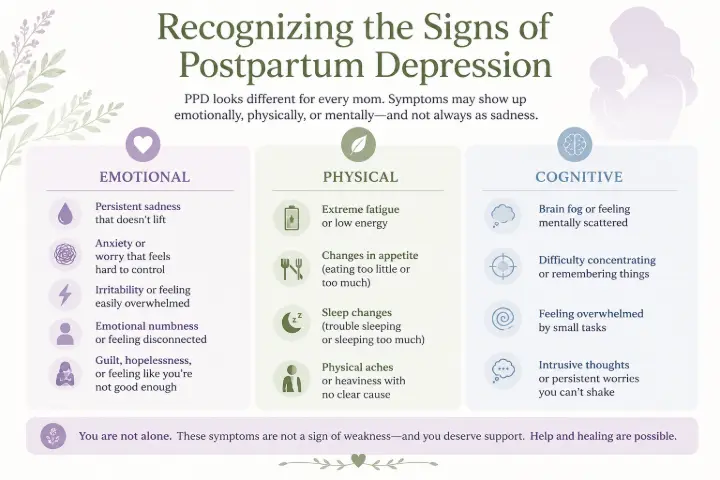
Emotionally, a mother may experience persistent sadness, frequent crying, emptiness, hopelessness, anxiety, irritability, or emotional numbness. She may lose interest in relationships or activities that once brought pleasure, feel disconnected from her baby, or experience intense guilt about not feeling the way she expected to feel.
Physically, PPD may be accompanied by overwhelming fatigue, changes in appetite, low energy, difficulty sleeping even when the baby is asleep, headaches, digestive discomfort, or unexplained aches and pains. Cognitively, concentration, memory, and decision-making may become difficult. Some mothers describe “brain fog” or feeling unable to manage even simple choices.
PPD can also distort self-perception. A mother may believe she is failing or that everyone else is coping better. These thoughts can feel convincing, but they are symptoms that deserve support.
Postpartum Depression Doesn't Always Look Like Sadness
Some women primarily experience anxiety or irritability. Others become withdrawn or emotionally flat. Some continue caring for their baby, working, answering messages, and appearing functional while struggling intensely inside. The absence of tears does not mean the absence of suffering. Recognizing these less obvious presentations can help families and healthcare providers respond sooner.
Risk Factors: Why Some Mothers Are More Vulnerable
Postpartum depression can affect women after uncomplicated or complicated pregnancies, vaginal or cesarean births, first or subsequent babies, and singleton or multiple births. Risk factors increase vulnerability; they do not determine who will develop PPD.
- A personal history of depression or anxiety
- Previous postpartum depression
- A family history of mood disorders
- Significant stress during pregnancy or after delivery
- Pregnancy or birth complications
- Premature birth or a baby requiring neonatal intensive care
- Limited social support
- Financial or relationship stress
- Breastfeeding challenges
- Thyroid disorders or other chronic health conditions
- Severe or prolonged sleep deprivation
These factors are best understood as added vulnerabilities rather than single causes.
When Depression Isn't the Whole Story
Several health conditions can mimic or compound symptoms of postpartum depression. Postpartum thyroiditis may contribute to fatigue, mood changes, and brain fog.⁴ Iron deficiency after blood loss can contribute to weakness and exhaustion. Vitamin deficiencies, persistent pain, infection, medication side effects, breastfeeding problems, and chronic sleep deprivation may further complicate recovery.
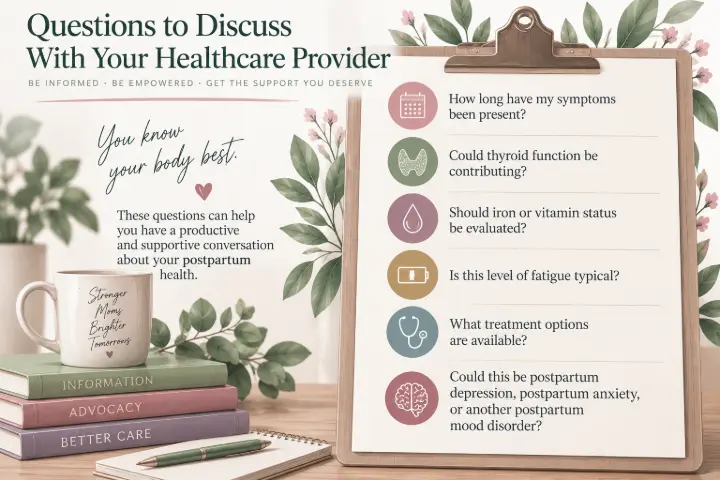
Persistent symptoms deserve a comprehensive evaluation. A healthcare provider can consider both mental health and possible physical contributors when developing an individualized care plan.
Knowing When to Reach Out
Consider contacting a healthcare provider when symptoms last longer than the expected early postpartum adjustment, become more intense instead of improving, interfere with caring for yourself or your baby, or involve persistent hopelessness, anxiety, numbness, withdrawal, or thoughts that your family would be better off without you. Early recognition allows appropriate support to begin sooner.
Postpartum psychosis is different from postpartum depression and is a rare medical emergency. Immediate emergency evaluation is needed for hallucinations, delusions or false beliefs, severe confusion or disorientation, extreme agitation or manic behavior, or thoughts of harming oneself or the baby. Prompt treatment protects both mother and child.
A Whole-Person Approach to Recovery
Recovery often involves several forms of support working together: professional treatment, emotional support, practical help, and attention to physical recovery. Progress may be rapid or gradual, and difficult days do not mean recovery has stopped.
Postpartum depression is treatable.² Effective care can address mental health while also supporting physical recovery.
Professional Care Is the Foundation
A qualified healthcare provider can assess symptoms, severity, safety, medical history, and individual circumstances. Treatment may include counseling or psychotherapy, medication, support groups, or a combination of approaches. No single plan is right for everyone. Some women benefit most from therapy; others need medication or additional medical evaluation; many benefit from several forms of support at once.
PPD is a medical condition deserving the same thoughtful attention as other postpartum health concerns.
Supporting the Body's Natural Recovery
Alongside professional care, everyday habits support physical recovery. Healing tissues need nutrients, the nervous system needs rest, and hormones, thyroid function, digestion, and immune activity continue adjusting for weeks and months.
Balanced meals, hydration, gentle movement as healing allows, time outdoors, restorative sleep, and practical help can reduce physiological strain while treatment and recovery proceed.
Where Herbal Wellness Can Fit Into Postpartum Recovery
Herbs have a long history of use during pregnancy and postpartum recovery, and they may have a supportive place within a comprehensive wellness plan. They are not treatments for postpartum depression and should not replace professional evaluation or evidence-based care.
At Mountain Meadow Herbs, that supportive role includes stress resilience, emotional wellness, thyroid function, liver health, and balanced energy.
Supporting Emotional Wellness
Mommy Blues Buster was formulated to support a positive outlook, balanced hormonal function, and healthy stress management during pregnancy, nursing, and postpartum recovery. It may be incorporated into a broader wellness routine while working alongside—not replacing—professional care.
Supporting Healthy Stress Resilience
Mom's Adrenal Aid supports healthy stress resilience and balanced daytime energy during pregnancy, nursing, and postpartum recovery. Its purpose is to complement foundational habits such as nutrition, rest, and stress management.
Supporting Healthy Thyroid Function
Women's Thyroid Care supports normal thyroid function, metabolism, energy, and healthy stress levels. Because suspected thyroid disease requires appropriate testing and medical care, the formula should be viewed as wellness support rather than treatment for postpartum thyroiditis or other thyroid conditions.
Supporting Healthy Liver Function
Mom's LiverGlow supports healthy liver function, normal energy, and healthy mood as part of a comprehensive wellness routine. Combined with nourishing food, hydration, protein, and healthy daily habits, it supports one of the body's central metabolic systems during postpartum recovery.
The Importance of Accepting Help
Many mothers are accustomed to caring for everyone else. The postpartum period often asks them to do something surprisingly difficult: allow other people to care for them. Support may be a neighbor dropping off dinner, a grandparent rocking the baby while mom sleeps, a friend folding laundry, a partner taking nighttime diaper changes, or someone simply sitting nearby and listening.
These acts reduce the physical and emotional workload of recovery. The fourth trimester is easier to navigate when care for the baby also includes care for the mother.
Recovery Is Possible
Postpartum depression can make the future feel permanently narrowed. Treatment and support can change that.² Some women notice improvement within weeks; others recover over several months. Many recognize their progress gradually—laughing more easily, feeling connected again, enjoying their baby, or realizing that ordinary tasks no longer feel impossible.
Recovery does not erase the challenges of early motherhood. It restores the capacity to meet them. A mother experiencing PPD deserves medical care, practical support, nourishment, rest, and compassion while that recovery unfolds.
Looking Beyond Symptoms: Understanding the Whole Story
The postpartum period makes the connection between emotional and physical health especially visible. Hormones, the brain, sleep, nutrition, thyroid function, digestion, immunity, metabolism, healing, and sometimes lactation are all adapting at the same time.
No one process explains postpartum depression. Together, these changes help explain why recovery can be so demanding and why symptoms deserve a comprehensive response.
A whole-body approach may combine professional mental health care with good nutrition, evaluation of contributing conditions, practical help, sleep support, stress management, and appropriate herbal wellness.
A useful question is not only, “What's wrong?” but also, “What has this body been through, and what support does it need now?” That perspective can coexist fully with evidence-based treatment.
Continue Your Whole-Body Wellness Journey
Frequently Asked Questions About Postpartum Depression and Whole-Body Recovery
What is the difference between the baby blues and postpartum depression?
Baby blues commonly involve tearfulness, mood swings, irritability, and feeling overwhelmed during the first days after birth and usually improve within about two weeks.¹ Postpartum depression is more persistent and can affect daily functioning, relationships, self-care, or bonding with the baby. Symptoms that persist, worsen, or interfere with daily life deserve professional evaluation.
Can postpartum depression begin months after giving birth?
Yes. Symptoms do not always begin immediately after
delivery.³ Emotional wellbeing can change as sleep disruption, physical
recovery, breastfeeding challenges, family demands, and accumulated stress
continue. New or persistent mood and anxiety symptoms during the postpartum
period should be discussed with a healthcare provider rather than dismissed
simply because the first weeks after birth have passed.
Can thyroid problems feel like postpartum depression?
They can overlap. Postpartum thyroiditis may contribute to fatigue, anxiety, depression, brain fog, constipation, temperature changes, heart-rate changes, and weight changes.⁴ Because several of these symptoms also occur with PPD or normal postpartum recovery, healthcare providers may consider thyroid testing when symptoms suggest it. Thyroid dysfunction does not explain every case of postpartum depression, but it is one possible contributor worth evaluating.
Can herbs treat postpartum depression?
No. Postpartum depression is a medical condition that should be evaluated and treated by qualified healthcare professionals. Herbal products should not replace counseling, medication when appropriate, or other evidence-based treatment. Herbs may instead be used as supportive wellness tools for normal stress resilience, energy, thyroid function, liver health, or emotional wellbeing as part of a broader postpartum plan.
Why does sleep affect emotional health so much after having a baby?
Sleep supports emotional processing, nervous-system recovery, hormone regulation, and immune function. Newborn care often fragments sleep into short segments, reducing restorative sleep even when total hours seem adequate. Protecting opportunities for rest can support physical and emotional recovery, although it is not a treatment for PPD.
Why does Mountain Meadow Herbs focus on body systems instead of individual symptoms?
The body's systems constantly influence one another. Sleep affects stress physiology; hormones interact with the brain; thyroid function influences energy and metabolism; nutrition supports every organ involved in healing. MMH's whole-body approach is intended to support normal physiology across these interconnected systems. In the case of postpartum depression, that support complements rather than replaces appropriate mental health care.
Can I breastfeed if I have postpartum depression?
In many cases, yes. Many mothers continue breastfeeding while receiving treatment for postpartum depression. The appropriate plan depends on symptoms, overall health, treatment choices, and personal goals. Healthcare providers can help evaluate medication options and breastfeeding considerations. If breastfeeding itself becomes an overwhelming source of stress, discussing alternatives with a provider or lactation professional is also appropriate; feeding decisions should support the wellbeing of both mother and baby.
References
- Office on Women's Health (U.S. Department of Health & Human Services) – Postpartum Depression and the Baby Blues
- American College of Obstetricians and Gynecologists (ACOG) – Postpartum Depression
- National Institute of Mental Health (NIMH) – Perinatal Depression
- American Thyroid Association – Postpartum Thyroiditis
- Nature Reviews Neuroscience – The Maternal Brain: Adaptations During Pregnancy and the Postpartum Period
- National Center for Complementary and Integrative Health (NCCIH) – The Gut Microbiome and Health
Disclaimer:
This content is intended for educational purposes only and is not a substitute for professional medical advice. These statements have not been evaluated by the Food and Drug Administration. Mountain Meadow Herbs products are not intended to diagnose, treat, cure, or prevent any disease. We recommend consulting with a qualified healthcare provider before beginning any new wellness routine, especially if you are pregnant, nursing, have a medical condition, or are taking medications.
© 2026 Mountain Meadow Herbs. All rights reserved. This content may not be reproduced, distributed, or transmitted in any form without prior written permission.